Shifts in User Bases Among Prominent Sites Due to Varying Bonus Structures and Game Offerings
Tina Vogel · Nov 12, 2026

Shifts in User Bases Among Prominent Sites Due to Varying Bonus Structures and Game Offerings
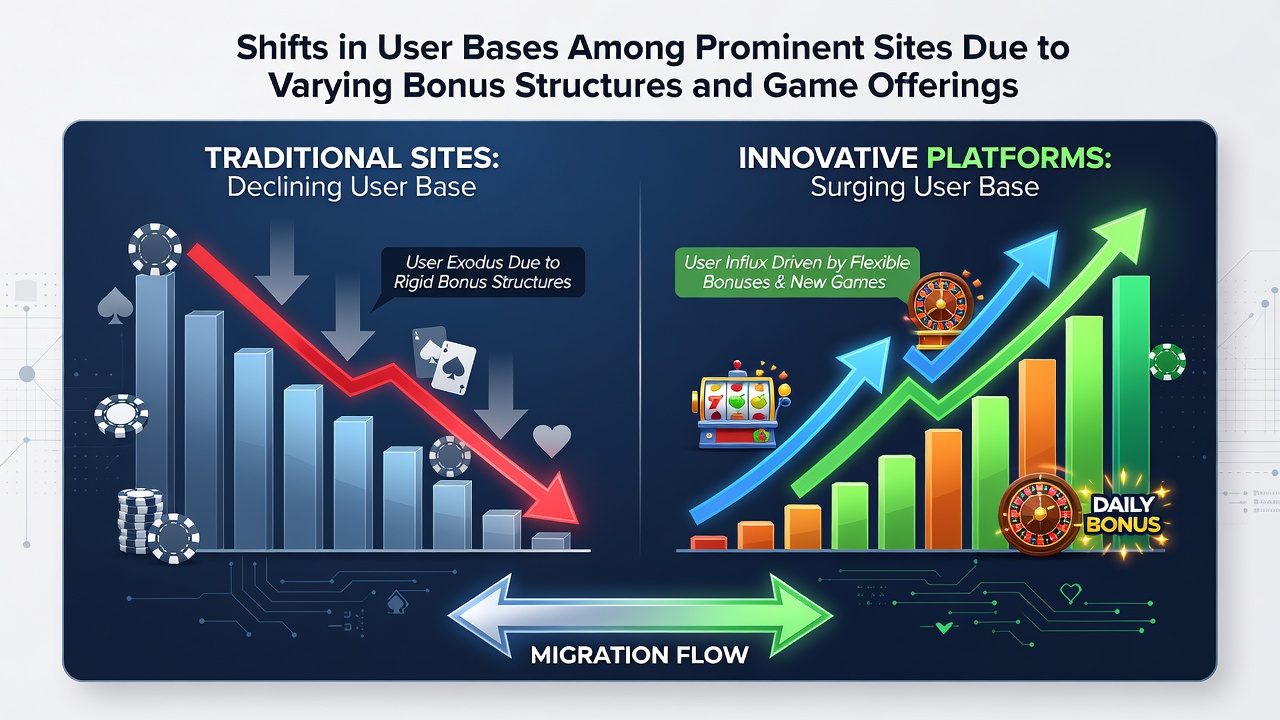
Prominent online poker platforms have recorded measurable movements in their active user bases as operators adjust bonus structures and expand game selections, with data from multiple regions highlighting these patterns throughout 2026. Operators deploy welcome bonuses, ongoing rakeback programs, and loyalty tiers that differ substantially from one site to another, while game libraries range from traditional Texas hold'em cash tables to mixed-game variants and high-volume tournament schedules. Researchers at academic institutions have tracked these factors as primary drivers behind player migration, noting that participants often relocate to platforms offering more favorable deposit matches or broader Omaha and stud options.
Bonus Structures and Their Influence on Platform Loyalty
Bonus structures vary widely across major operators, and these differences correlate with shifts in daily active users according to industry reports. Some sites emphasize large initial deposit bonuses paired with extended wagering requirements, whereas others focus on smaller but recurring rewards such as cashback on rake and free tournament entries. Data released in November 2026 from regulatory bodies in Ontario showed that platforms introducing tiered loyalty programs experienced a 12 percent increase in returning players over a three-month period, while sites maintaining static bonus offers saw modest declines. Observers note that players compare effective bonus value after accounting for playthrough conditions, which leads many to test multiple platforms before settling on one that aligns with their session volume and bankroll size.
Those who monitor player behavior through aggregated account data have identified clear patterns where generous reload bonuses draw recreational participants, yet high-stakes grinders migrate toward sites with superior rakeback percentages and lower withdrawal thresholds. A 2026 analysis by the Canadian Gaming Research Institute documented how one operator's shift from a flat 100 percent welcome bonus to a 50 percent match plus ongoing 20 percent cashback prompted an influx of mid-stakes cash game players from competing networks. Conversely, platforms that reduced bonus generosity experienced corresponding outflows, particularly among users who previously relied on promotional funds to extend playing time.
Game Offerings as a Driver of User Migration
Game variety exerts comparable influence on user base composition, with platforms expanding into less common variants attracting dedicated followings. Sites that added extensive Omaha hi-lo and short-deck tables reported gains in specific demographic segments, while those concentrating solely on hold'em tournaments retained core audiences but struggled to expand. Figures from the Australian Gambling Research Centre indicate that operators introducing mixed-game festivals in late 2026 captured player interest from regions where such formats previously lacked availability, resulting in cross-border account growth of approximately 8 percent within targeted age groups.
Specialized tournament structures also contribute to these movements. Platforms hosting daily high-guarantee events with progressive knockouts draw participants seeking larger prize pools, whereas sites offering micro-stakes sit-and-gos retain newer players who prefer lower variance formats. Research compiled by University of Sydney analysts in 2026 revealed that players frequently maintain accounts on multiple sites yet concentrate activity on the one providing the most suitable blend of game types and scheduling, which produces measurable redistribution of rake and tournament fees across the industry.
Observed Patterns in November 2026
November 2026 brought additional clarity to these trends as several platforms rolled out seasonal promotions coinciding with major tournament series. One network expanded its bonus offerings to include leaderboard rewards for specific game types, resulting in a documented transfer of active users from competitors within the same regulatory jurisdiction. Regulatory filings from iGaming Ontario showed that total unique player registrations remained stable industry-wide, yet individual site market shares fluctuated by as much as 15 percent month-over-month during this period. These changes aligned directly with the introduction of new game formats and adjusted bonus terms rather than external market conditions.
Cross-platform comparisons further illustrate how bonus structures interact with game availability. Sites that paired generous tournament ticket giveaways with expanded stud and razz offerings retained more multi-game participants, while those limiting bonuses to cash-game rakeback saw concentration among hold'em specialists. Analysts tracking these movements emphasize that the combination of incentives and selection matters more than either factor alone, producing the observed redistribution of user activity across prominent operators.
Conclusion
Shifts in user bases among prominent online poker sites continue to reflect the interplay between bonus structures and game offerings, with quantitative data from Canadian and Australian sources confirming these relationships through 2026. Operators adjust their promotional frameworks and game libraries in response to player preferences, which in turn generates ongoing migration patterns across platforms. The evidence indicates that participants evaluate both immediate rewards and long-term game access when choosing where to concentrate their activity, resulting in dynamic market share adjustments rather than static user distributions.